St. Augustine's waterways
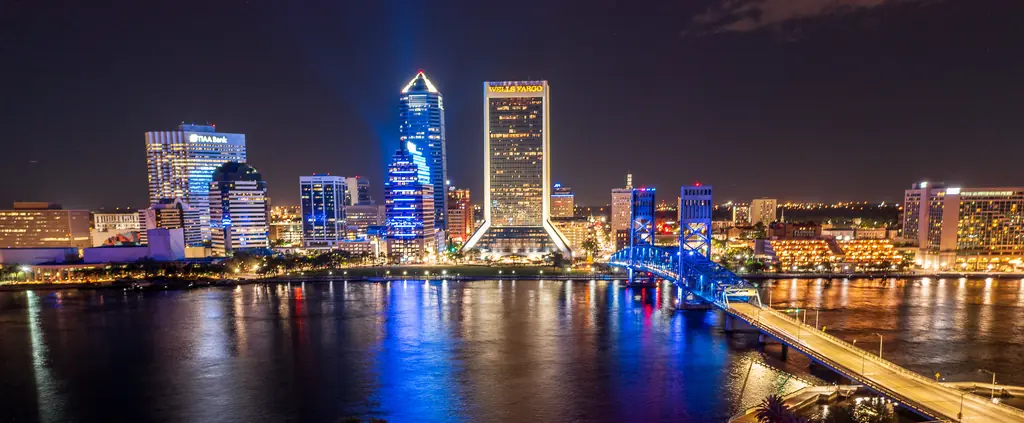
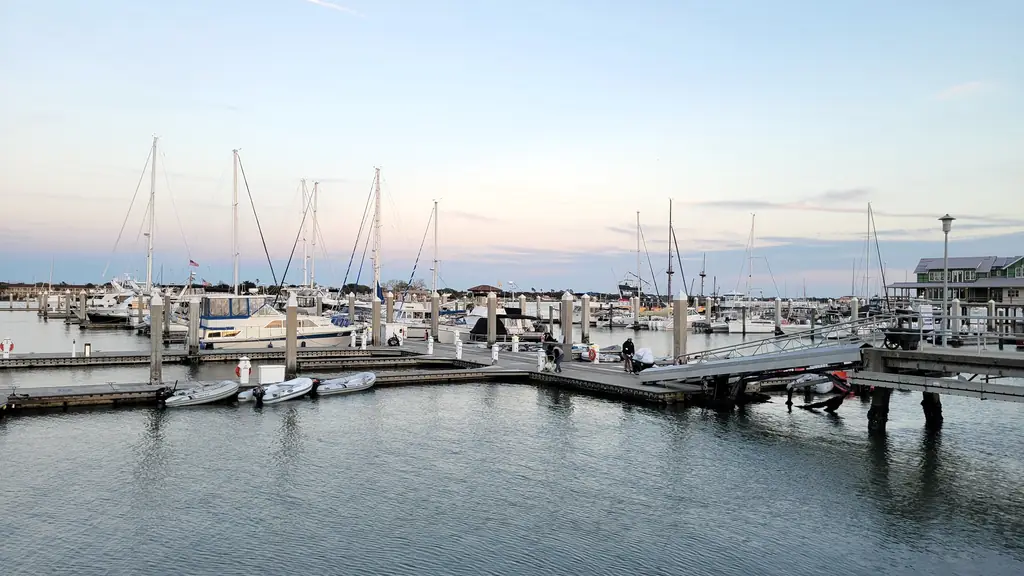
Most marine projects in St. Augustine sit on one of two rivers. The Matanzas River carries the Intracoastal Waterway between downtown and Anastasia Island and is crossed by the Bridge of Lions, with the city-owned St. Augustine Municipal Marina beside the bridge on the downtown bayfront. The San Sebastian River runs along the west side of downtown and supports marinas and other commercial waterfront.
Just north of Anastasia Island, the St. Augustine Inlet connects these waters to the Atlantic, bringing stronger currents and shifting shoals to nearby sites. St. Augustine Beach lies on Anastasia Island east of the Matanzas, with the ocean beach as its primary waterfront.
Historic setting, practical requirements
St. Augustine adds review layers and public visibility that many waterfronts do not have.
Historic district design review
Parts of the city fall within historic preservation districts, where visible exterior and upland elements of a project can require design review.
Archaeological review
In some areas, ground-disturbing work such as utility trenching or upland staging can trigger the city's archaeological review requirements.
Public bayfront visibility
Downtown waterfront work happens in full view of residents and visitors. Screening, pedestrian safety and orderly staging deserve a plan of their own.
Long site histories
Waterfront structures here may have decades of repairs, modifications and permits behind them. Assembling that history in one place helps designers understand what they are working with.
Marinas and commercial waterfront
Marina construction planning in St. Augustine usually has to keep slips, transient berths and customer access working through busy visitor periods. We document slip inventories, reservation commitments, fuel and pump-out services, and the operating constraints your contractor must phase around.
Restaurants, tour and charter operations and hospitality properties on both rivers face similar pressures. For these owners, commercial waterfront project planning means keeping docks safe and open, coordinating deliveries with crowded streets and recording existing conditions for insurers and future work.
Preparing an association or marina project in St. Augustine
Condominium associations, HOAs and marina owners here benefit from pulling these records together before design starts.
Ownership and approvals
- Governing documents or lease terms covering docks and shoreline structures
- The board or ownership approval schedule
- Historic designation status of the property and any prior design review approvals
- Insurance certificate requirements for contractors
Site history
- Prior permits, as-built drawings and repair records
- Survey data and recent condition photos at high and low tide
- Any earlier archaeological reports for the property
- Known utility locations on the dock and upland
Operations and communication
- Slip-holder and transient guest notices
- Peak season and event dates to avoid for disruptive work
Access and logistics in St. Augustine and on Anastasia Island
Marina access and logistics here revolve around a historic street grid, a drawbridge and seasonal crowds.
- Downtown streets are narrow, parking is scarce and pedestrian and tour vehicle traffic is heavy, so deliveries and staging need specific plans.
- The Bridge of Lions is a drawbridge, so marine equipment too tall to pass beneath it when closed must time transits to openings, and each opening also stops road traffic.
- Major events, including Nights of Lights during the winter holiday season, draw crowds that can limit access to the bayfront.
- Currents and shoaling near the St. Augustine Inlet can narrow work windows and affect barge routes.
- Traffic onto Anastasia Island concentrates on its bridges, including the Bridge of Lions and the State Road 312 bridge.
- Hurricane season, from June through November, adds storm-preparation requirements for equipment staged on the water.
Services for St. Augustine projects
Commercial project documentation fits St. Augustine well, because long site histories and layered reviews reward organized records. Access and logistics questionnaires capture street, bridge and event constraints for bidders, commercial and complex-project planning frames scope for marinas and commercial owners, and HOA and marina project briefs support association boards.