Waterfront project planning on the St. Johns River
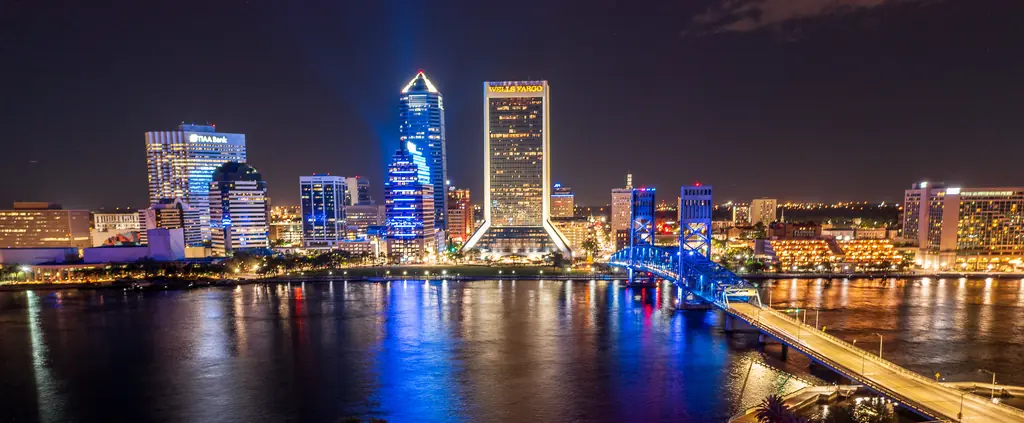
Planning a marine project in Jacksonville starts with knowing which part of the river system your property sits on, because conditions change from reach to reach. The St. Johns River flows north toward downtown, turns east through the urban core and continues to the Atlantic at Mayport. Tributaries such as the Ortega, Trout and Arlington rivers and Pablo Creek reach into surrounding neighborhoods, and the Intracoastal Waterway crosses the St. Johns east of downtown.
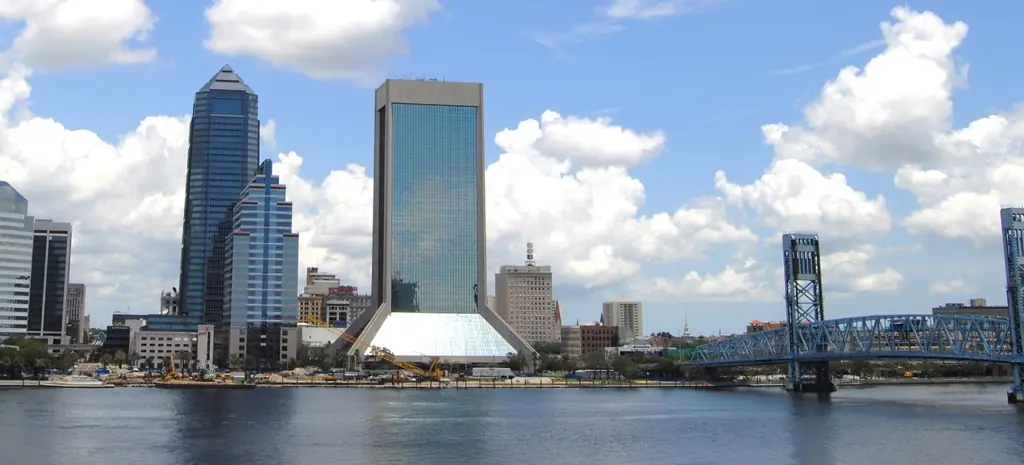
Each setting raises different questions. Downtown parcels often sit near riverwalks, busy streets and commercial shipping; tributary sites are narrower and shallower; and Intracoastal frontage brings boat wakes and marsh-lined shorelines.
Because Jacksonville and Duval County operate as a consolidated government, local building and zoning review for most riverfront properties runs through the City of Jacksonville. State and federal reviews follow their own track, and your licensed professionals work out that path with the agencies.
Jacksonville waterfront properties we help prepare
Commercial marine construction planning in Jacksonville usually involves one of these property types.
Downtown commercial riverfront
Bulkheads, public access points and river-facing amenities near the urban core. Preparation focuses on existing-condition records, the interface with riverwalks and streets, and a schedule that respects neighboring businesses and events.
Marinas and marine businesses
Slip reconfiguration, dock replacement and utility upgrades at facilities that need to keep operating. We organize slip inventories, tenant notification plans and phasing questions for your contractor to price and sequence.
Condominium and association docks
Shared docks and slips governed by a declaration, rules and a board. Work starts with confirming who controls each structure, what the reserve study says about it and how owners will be informed.
Tributary and creek-front sites
Properties on the Ortega, Trout and Arlington rivers and similar waters, where narrower channels, shallower depths and bridge crossings can limit marine equipment. Those access questions need answers before design choices narrow the options.
Preparing a condominium or HOA dock project in Jacksonville
Associations can shorten the path from board discussion to a bid-ready package by assembling these items first.
Governance and records
- Declaration, bylaws and rules provisions covering docks, slips and seawalls
- Slip assignment or lease records and any waiting list
- The current reserve study and its dock, piling and seawall line items
- Prior permits, as-built drawings and repair invoices
Site information
- Existing-condition photos taken at both high and low tide
- Available survey data showing property lines and shoreline features
- Known locations of shore power, water and dock lighting lines
Board and owner steps
- The board meeting calendar and notice requirements for votes
- A communication plan for owners and slip holders
- Insurance certificate requirements the association will collect from contractors
Access and logistics on Jacksonville's rivers
Marina access and logistics in Jacksonville are shaped by bridges, currents, ship traffic and a busy downtown street grid.
- Clearances at the downtown river crossings, including the Main Street, Acosta and Fuller Warren bridges, can affect how tall barge-mounted equipment reaches sites farther upriver.
- Tidal currents on the main river and around bridge piers can narrow the safe windows for positioning barges.
- Large commercial vessels use the navigation channel, so barge moves and nearby work must account for them.
- Downtown parcels often have little room for staging, pushing laydown areas, crane positions and deliveries onto the water or onto leased space nearby.
- Stadium events, festivals and riverwalk foot traffic can close streets or restrict deliveries on certain days.
- Tributary sites may call for smaller equipment, shallow-draft barges or land-based methods, each with its own cost and schedule effects.
How our services support Jacksonville projects
Owners with a complex riverfront project can start with commercial and complex-project planning, which turns goals, constraints and open questions into a plan your engineer and contractor can work from. As bidding approaches, procurement preparation assembles what bidders need, access and logistics questionnaires record the street and water access details that drive pricing, and commercial project documentation keeps decisions and records organized through closeout.